







RSS

Blog posts of '2024' 'May'

Revive Your Chainsaw Coil with Heat: A $200 Fix!

Don't Junk It! How to Revive Your Faulty Chainsaw Coil with Heat

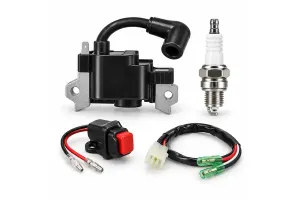
Ever reach for your trusty chainsaw, ready to tackle a yard project, only to be met with a frustrating sputter and no spark? A dead chainsaw can put a real damper on your outdoor plans, and replacing the ignition coil can be a costly solution.

But before you toss your saw in the scrap pile, there's a surprising trick you might not know about: heat can bring some faulty coils back to life!

This might sound strange, but it applies specifically to a type of coil known as the Wico/Prestolite electronic ignition coil. These coils were notorious for being temperamental, sparking one day and leaving you stranded the next. The culprit? Moisture!

The Magic of Baking Out the Moisture

My theory is that over time, moisture can sneak into the coil, particularly around the lamination legs. This moisture can then condense and cause a short circuit, effectively killing the spark. The good news? By baking the coil at a low temperature, you can often drive out that moisture and restore its functionality.

Think of it like reviving a damp electrical component. Here's how to do it yourself:

Bringing Your Dead Coil Back to Life: A Step-by-Step Guide

What you'll need:

  • Faulty Wico/Prestolite electronic ignition coil
  • Toaster oven
  • Oven mitt
  • Baking sheet (optional)

Instructions:

  1. Preheat your toaster oven to 200°F (93°C).
  2. Place the coil directly on the oven rack (or on a baking sheet for extra safety).
  3. Bake the coil for 12-16 hours.
  4. Once the baking time is complete, turn off the oven and let the coil cool completely before handling it.

Important Safety Note: Always be cautious when working with electrical components. If you're uncomfortable with this process, consult a qualified small engine repair technician.

The Benefits of Baking Your Coil

The beauty of this method lies in its simplicity and cost-effectiveness. Replacing a Wico/Prestolite coil can set you back a hefty $200 or more. In the case of the Super XL & XL-12 coils, aftermarket replacements might not even be readily available. Baking your old coil offers a second chance at life for your chainsaw, saving you significant time and money.

Is Baking a Universal Fix?

While baking can work wonders for Wico/Prestolite coils, it's not a guaranteed solution for all ignition coil problems. If your chainsaw has a different type of coil or the damage is more severe, baking might not be effective. In such cases, you might need to consider replacing the ignition module or consulting a professional for further diagnosis.

So, the next time your chainsaw sputters and dies, don't despair! Give the baking method a try. It might just be the spark you need to get your saw back up and running.

Have you ever tried baking a faulty coil? Share your experiences and any tips in the comments below!

Chainsaw Troubleshooting Guide For DIY

Conquer the Cut: DIY Chainsaw Troubleshooting Guide

Keeping your chainsaw running smoothly is essential for tackling any yard project. But sometimes, even the most dependable chainsaw can sputter and cough. Don't reach for the phone just yet! This DIY troubleshooting guide will equip you to diagnose and fix common chainsaw problems, getting you back to sawing in no time.

Safety First!

Before diving in, prioritize safety. Always wear gloves, safety glasses, and sturdy footwear when working with your chainsaw. If the problem seems complex, or you're uncomfortable with any step, don't hesitate to seek professional help.

Engine Starting Issues:

  • Symptoms: Engine won't crank at all, cranks but doesn't start, or dies shortly after starting.

  • Possible Culprits: The usual suspects are an empty fuel tank, a faulty spark plug, a dirty air filter, a clogged fuel line, or carburetor problems.

  • DIY Solutions:

    • Fuel Check: It sounds obvious, but an empty tank is a common culprit. Refill with fresh fuel and ensure you're using the correct fuel mix ratio as specified in your chainsaw's manual.
    • Spark Plug Power: A dirty or damaged spark plug can disrupt ignition. Clean or replace the spark plug according to your chainsaw's manual.
    • Air Filter Freedom: A clogged air filter chokes the engine. Remove and clean the air filter following the manufacturer's instructions.

Engine Running Issues:

  • Symptoms: Engine runs rough, lacks power, or stalls while cutting.

  • Potential Troublemakers: This could be caused by a dull chain, improper chain tension, carburetor adjustment issues, or air leaks.

  • DIY Solutions:

    • Sharpen Up: A dull chain increases cutting effort and strains the engine. Sharpen or replace the chain for a smoother cut.
    • Chain Tension Tune-Up: An excessively loose or tight chain can cause problems. Refer to your manual for proper chain tension adjustment.
    • Carburetor Caution: Carburetor adjustments are best left to professionals unless you're comfortable with them. Improper adjustments can worsen performance.

Chain and Bar Issues:

  • Symptoms: Excessive smoking from the bar, chain slipping off the bar, or uneven cutting.

  • Causes to Consider: A dull chain, loose chain, worn bar, or lubrication problems might be at play.

  • DIY Doctoring:

    • Sharpen or Replace: Address a dull chain as mentioned before.
    • Tension Time: Similar to engine running issues, ensure proper chain tension according to your manual.
    • Bar Blues: Inspect the bar for wear and replace it if necessary. A worn bar can affect chain performance and lubrication.
    • Lubrication Lifeline: Proper lubrication is crucial. Check oil levels and ensure the oiler function is working correctly.

Pro Tips:

  • Invest in a chainsaw sharpening tool and learn proper techniques for optimal performance.
  • Maintain proper chain lubrication throughout use to prevent overheating and premature wear of the chain and bar.
  • Keep your chainsaw's manual handy for specific instructions on spark plug type, carburetor cleaning procedures, and chain tension adjustments.

Remember: This guide tackles common problems. If you encounter a complex issue, don't hesitate to consult a qualified chainsaw service professional.

Stay Sharp, Keep Sawing!

By following these tips and performing regular maintenance, you can keep your chainsaw running smoothly and conquer any cutting task with confidence. Visit our website for a wide selection of chainsaw parts and maintenance supplies to keep your trusty tool in top shape!https://www.smallenginechainsawparts.com